Home › Asphalt Pathways, Sidewalks, and Trails
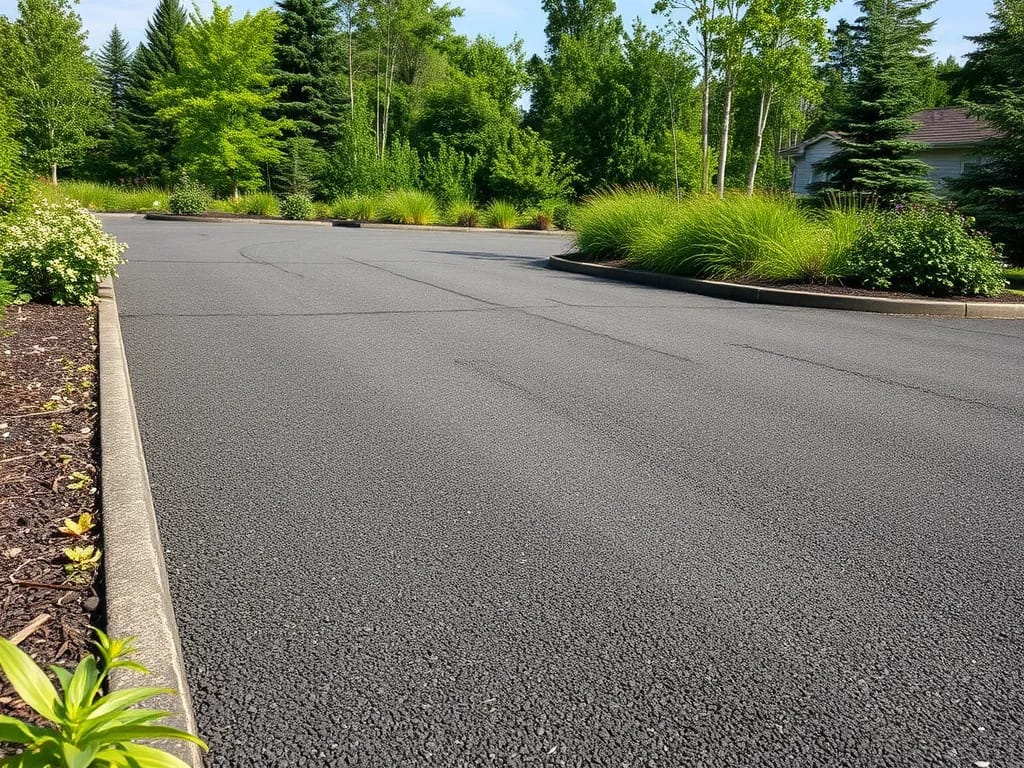
Connect your property with safe, accessible routes using asphalt pathway paving in Gilbert, AZ. We build sidewalks, multi use trails, and walking paths for parks, schools, and communities. Our paths feature gentle grades, consistent widths, and smooth asphalt surfaces. Contact us to discuss your trail alignment and get a detailed paving quote.
Precision Asphalt Gilbert provides professional asphalt pathway paving throughout Gilbert, AZ, Arizona and the surrounding area. Our licensed, insured crew delivers safe, clean, on-time work with a free estimate before anything begins. Call (602) 641-4473 or request your free quote.
Asphalt Pathways, Sidewalks, and Trails in Gilbert, AZ
Asphalt pathway paving in Gilbert is not a luxury detail, it is part of how your property actually functions. At Precision Asphalt Gilbert, we focus on pathways, sidewalks, and multi use trails that hold up to the desert sun, irrigation runoff, and heavy foot and bike traffic.
Most of our work is for HOAs, schools, small commercial properties, and neighborhood trail systems that connect to the Town of Gilbert path network. We also handle private walkways for large residential lots and community parks. Every site is different, so we start by walking the route with you, reviewing how people use it (foot, stroller, bikes, golf carts) and checking grades, drainage points, and tie in locations to streets or parking lots.
In Gilbert, long days of high heat and monsoon events are the real stress test. An asphalt path might look fine in photos but fail early if the base is shallow or drainage is ignored. Our approach is to design the cross section (subgrade, base, and asphalt thickness) to match how your path will actually be used, not just to hit the lowest bid number. That is usually where the lifespan difference shows up 5 to 10 years later.
How We Plan and Design Your Asphalt Pathway
A practical design phase saves money over the life of your asphalt pathway. Precision Asphalt Gilbert starts with a site review that covers soil conditions, existing landscaping, and irrigation layout. In Gilbert, many pathways run along block walls with drip lines on one or both sides; if we do not factor that irrigation into the design, you end up with edge settlement or cracking within a few seasons.
We look at:
• Intended users: pedestrians only, or bikes, scooters, maintenance carts, or light vehicles.
• Width: 4 to 5 feet for private walks, 6 to 10 feet for community trails, and wider for shared use with carts.
• Alignment and slope: keeping slopes under ADA limits where required, and directing water away from adjacent yards, pools, and structures.
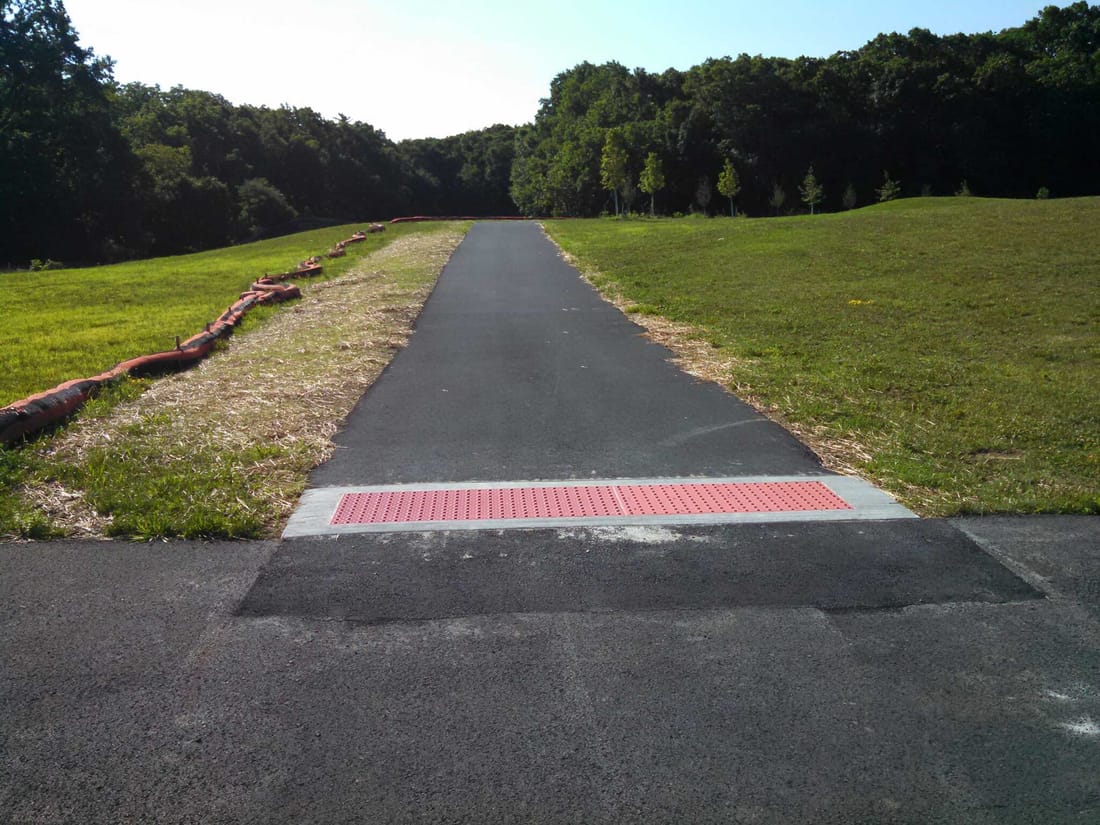
• Junctions: how the path ties into public sidewalks, parking lots, and crosswalks, including any need for detectable warning panels or ramps.
From there, we select a pavement structure. For lighter use residential style pathways, we often use 2 inches of hot mix asphalt over 4 inches of compacted aggregate base. For HOA trails that see carts, utility vehicles, or service trucks, we may recommend 3 inches of asphalt over 6 inches of base. We also discuss edges: whether to leave the edge flush with decomposed granite, add concrete ribbons, or install steel edging where landscaping encroachment is a concern.
If your project touches the public right of way or alters existing curb ramps, the Town of Gilbert can require permits and inspections. We coordinate with your HOA manager or property representative, and when needed we work off an engineer’s drawings to fit your path into a larger site plan.
Surface Preparation and Subgrade Work
Most pathway problems start under the surface. Precision Asphalt Gilbert spends as much time on base and subgrade work as on the visible asphalt. We begin by stripping vegetation, loose topsoil, and organic material, then shaping the pathway corridor to the design grade. In Gilbert’s caliche heavy soils, simply grading and paving on top without conditioning the subgrade leads to reflective cracking and settlement.
We proof roll the subgrade with compactors or small rollers to identify soft spots. Any area that pumps or deflects gets undercut and rebuilt with suitable material. For pathways near retention basins or turf areas that see regular irrigation, we may recommend a thicker aggregate base to help resist moisture related movement. On some sites we add geotextile fabric between the native soil and base to separate expansive soils from the aggregate.
Aggregate base is then placed in lifts, usually 3 to 4 inches at a time, and compacted to a minimum specified density. For most pathway projects we target at least 95 percent compaction. We set precise cross slopes, usually 1 to 2 percent, so rainwater and irrigation overspray drain off the paved surface rather than collecting in low spots. This step is critical in Gilbert, where intense, short monsoon storms can overwhelm poorly graded paths.
Before paving, we check all transitions: from path to curb, to existing sidewalks, and at driveway or street crossings. Trip edges greater than 1/4 inch are flagged and corrected at this stage so the finished surface is smooth and safe for walkers, wheelchairs, and bikes.
Asphalt Pathway Paving and Finishing Details
When the base is set, we move into asphalt pathway paving. Precision Asphalt Gilbert uses hot mix asphalt suited for local conditions and project needs. For most pathways and sidewalks, we choose mixes with a tighter aggregate gradation for a smoother finish, which is easier for strollers, wheelchairs, and bikes.
We typically install asphalt in a single lift on pathways, at 2 to 3 inches compacted thickness, depending on design. The mix is placed with a paver where access allows, which gives a more uniform surface. In tighter areas, courtyards, or narrow side yards, we place by hand with screeds, then compact with small rollers and plate compactors, paying attention to edges and joints.
Joints are a frequent failure point if not handled correctly. We apply tack coat at cold joints and where new asphalt ties into existing pavement to promote a good bond. Edges that will remain exposed next to decomposed granite or landscaping are compacted carefully to avoid crumbling and are sometimes trimmed after rolling for a clean line.
We also address functional details that affect day to day use. In shaded areas that tend to stay damp, we avoid creating flat spots where algae can grow and increase slip risk. At crossings, we coordinate pavement elevations with existing curb and gutter so water flows where it should during storms. Where the pathway will be striped or receive stenciled symbols for bikes or shared use, we allow proper curing time before applying markings so they adhere and last in the Gilbert sun.
For longer community trails, we often phase the paving so users still have access to at least part of the route. We set clear barricades, temporary ramps where needed, and coordinate with property managers to reduce disruption.
Costs, Lifespan, and Common Problems in Gilbert
Asphalt pathway paving costs vary based on width, thickness, access, and how much subgrade correction is needed. In Gilbert, access is a big driver of cost. If we can reach the pathway route with standard equipment from a street or parking lot, the project typically costs less per foot. Narrow side yards, tight gated entries, or routes that wind behind homes may require more labor and smaller machines, which increases unit cost.
Material quantities also matter. A 5 foot wide path with minimal base is not the same as an 8 foot wide HOA trail with thick base and asphalt sized for carts and service vehicles. We itemize our proposals so you can see what you are paying for: excavation, base, asphalt, any concrete transitions or ramps, and optional sealcoating or striping.
In Gilbert’s climate, common pathway issues include:
• Raveling and surface wear from UV and heat when sealcoating is skipped for many years.
• Edge cracking where irrigation saturates the soil along one side.
• Tree root upheaval along older paths where large shade trees were planted too close to the pavement.
Precision Asphalt Gilbert addresses these with practical solutions. We may suggest relocating or adjusting irrigation heads, installing root barriers before repaving in problem areas, or thickening the edge section where vehicles occasionally drive over the path. For existing paths that are structurally sound but worn, an overlay or mill and fill might be more cost effective than a full reconstruction.
With correct design and basic maintenance, an asphalt pathway in Gilbert can last 15 to 25 years. The key is a good base, proper drainage, and realistic expectations about traffic loads.
Maintenance, Repairs, and Working With HOAs and Property Managers
After the initial construction, your asphalt pathways, sidewalks, and trails need a realistic maintenance plan. Precision Asphalt Gilbert provides straightforward schedules for sealcoating, crack sealing, and patching so you can budget ahead instead of reacting to failures.
In Gilbert, sealcoating is typically recommended every 3 to 5 years for community trails and high use sidewalks. Earlier intervals may make sense for very dark, exposed paths with heavy sun exposure and frequent cart traffic. Crack sealing is best handled annually, before monsoon season, to keep water from getting into the base and subgrade. Neglected cracks are often what lead to potholes and settlement.
For HOAs and property managers, we know you often have to present multiple bids and explain the differences to a board. We provide clear scopes that distinguish between temporary cosmetic fixes and repairs that actually extend service life. For example, we explain when a skin patch will only last a couple of seasons compared to a full depth patch over failed areas.
We also understand many HOA and commercial sites have architectural guidelines. When we work on asphalt pathways that run through landscaped common areas, we coordinate with your landscaping vendor to protect irrigation lines and restore granite or turf edges neatly. If your community connects to Town of Gilbert multi use paths, we match grades and standards at the tie in points so there are no tripping edges or drainage conflicts.
Before you hire any contractor for asphalt pathway paving, ask how they handle access to backyards or gated areas, what compaction standards they use for base and asphalt, and whether they will walk the route with you before bidding. At Precision Asphalt Gilbert, that walk through is non negotiable. We prefer to see issues on the front end, then hand you a plan that fits your site instead of a generic one size approach.