Home › Gravel-to-Asphalt Conversions
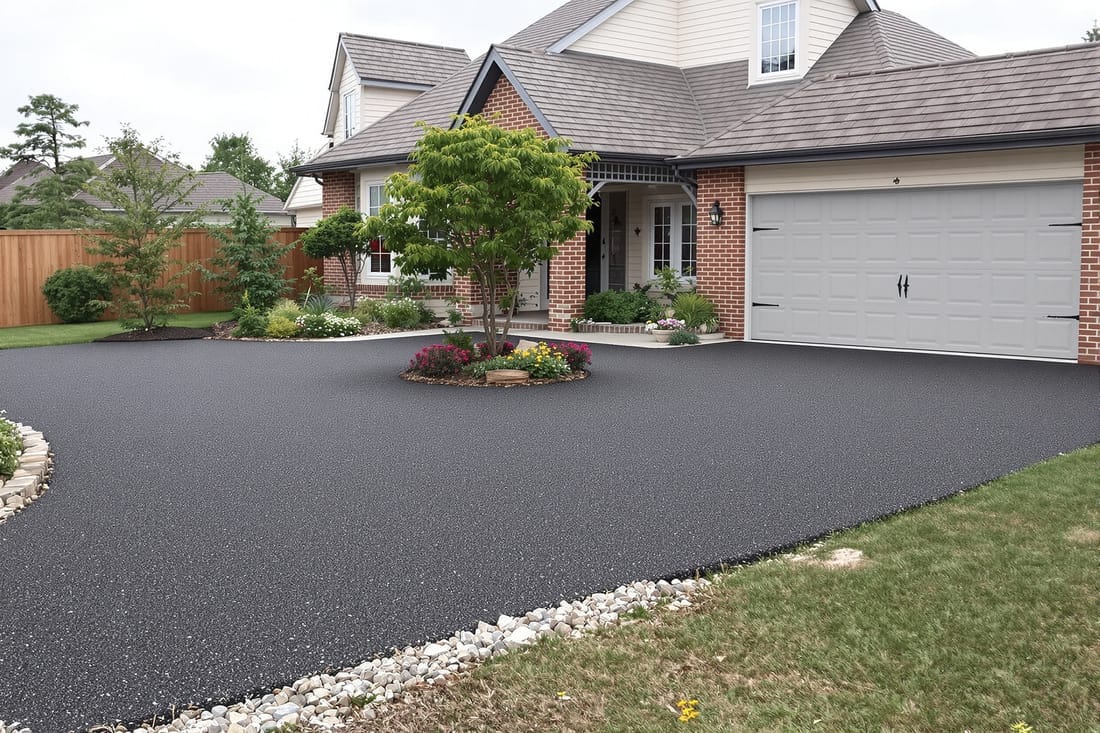
Tired of dust, mud, and loose rock on your drive? Our gravel to asphalt driveway conversions in Gilbert, AZ provide a clean, durable surface for everyday use. We regrade your existing drive, compact a solid base, then pave a smooth asphalt surface that is easy to plow and maintain. Get a free quote to upgrade your gravel driveway to asphalt.
Precision Asphalt Gilbert provides professional gravel to asphalt driveway throughout Gilbert, AZ, Arizona and the surrounding area. Our licensed, insured crew delivers safe, clean, on-time work with a free estimate before anything begins. Call (602) 641-4473 or request your free quote.
Turn Your Gravel Driveway Into a Clean, Durable Asphalt Surface
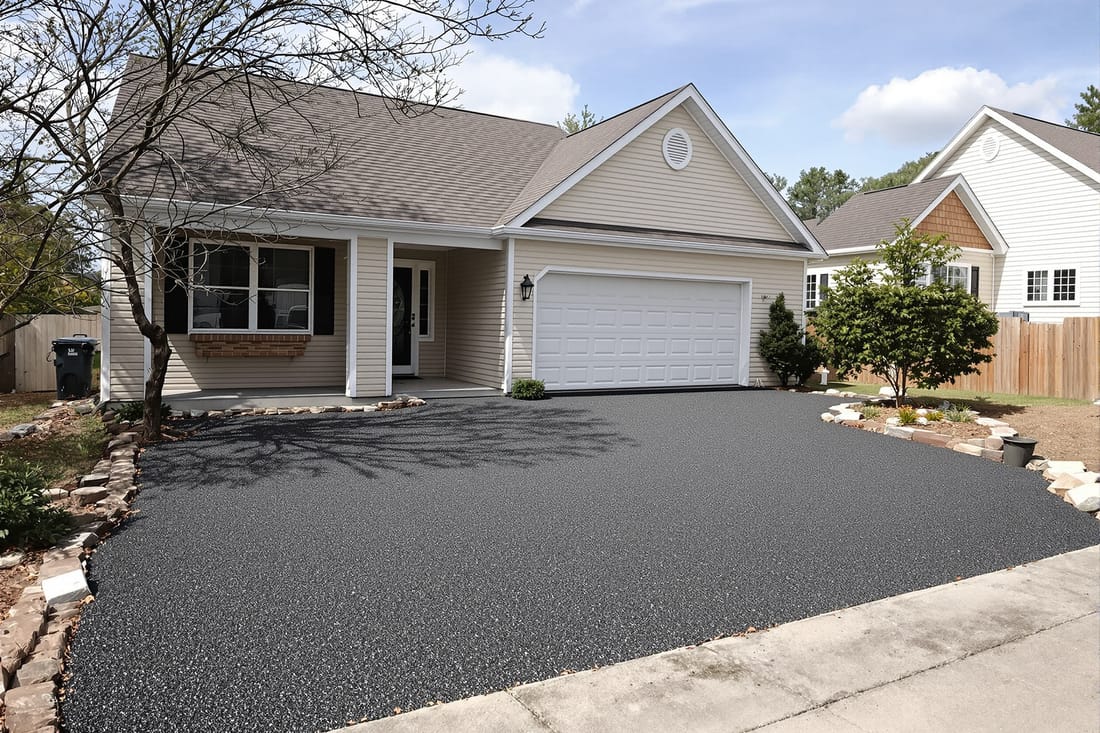
In Gilbert, a gravel driveway can feel fine in the dry season, but the dust, rutting, and constant rock scatter get old fast. Precision Asphalt Gilbert specializes in converting existing gravel drives and parking areas into smooth, long‑lasting asphalt surfaces designed for our hot, sunny climate and occasional monsoon downpours.
A proper gravel to asphalt driveway conversion is not just pouring hot mix on top of loose rock. We evaluate your existing base, drainage, and traffic patterns to build a structure that will hold up to your daily driving, trailers, and service vehicles. Whether your property is in an older ranch‑style area near central Gilbert or a newer subdivision on the outskirts with HOA requirements, we tailor the design so your new asphalt looks right and performs well.
On‑Site Evaluation Specific to Gilbert Properties
Every conversion starts with a site visit. A project manager from Precision Asphalt Gilbert walks the full length and width of your gravel area and checks:
• Existing gravel depth and compaction.
• Soft spots created by irrigation leaks, landscaping overspray, or past utility trenching.
• Drainage patterns during our monsoon season, including where water currently ponds or cuts channels.
• Access for paving equipment in tighter side yards or behind RV gates that are common in Gilbert neighborhoods.
We also measure slopes relative to your garage slab, sidewalks, and the street. Many Gilbert homes were built with minimal slope off the garage, so we sometimes need to regrade to prevent future rainwater from running back toward the house. If you have septic, utility boxes, or tree roots near the driveway, we map those and plan around them to avoid damage.
Step‑by‑Step Gravel‑to‑Asphalt Conversion Process
Once the plan is set, we begin with preparation. Our crew strips loose, dusty gravel and organic material, then compacts the underlying base with vibratory rollers. If your existing gravel is thin or sitting on native soil that has never been compacted, we bring in additional aggregate base (often 3/4 inch minus) and compact in layers to reach the correct thickness and density.
Next we fine grade the surface so it has consistent slope. For Gilbert’s clay‑heavy soils, this step is important. Poor grading over expansive soil can cause uneven settling. We shape the base to direct water away from buildings, block walls, and landscape beds, and toward the street or a designated drainage area.
After grading, we address edges. On conversions near desert landscaping or decomposed granite, we often install a clean edge line so the asphalt does not unravel into loose rock. Where asphalt meets concrete aprons or sidewalks, we set transitions so there is no trip lip.
Finally we install the asphalt. For residential driveways in Gilbert, we typically place 2 to 3 inches of hot mix asphalt after compaction. Heavier use areas such as RV parking, boat storage, or small commercial lots may get thicker sections. We compact with steel drum rollers and plate compactors around edges to achieve a dense, smooth finish.
Material and Design Options for Your New Driveway
Precision Asphalt Gilbert uses mixes that stand up to Arizona heat. We commonly recommend a dense graded mix designed for resistance to rutting and softening when surface temperatures climb in summer.
You can choose between a standard residential mix or a heavier‑duty mix if you park work trucks, trailers, or RVs. For longer driveways out on county islands or edge‑of‑town properties, we often suggest a slightly thicker asphalt section to account for delivery trucks and occasional heavy loads.
Layout is another design decision. Many Gilbert properties have wide side yards for RV gates. When we convert gravel to asphalt driveway in these areas, we can widen the drive, add a turn pad, or create a defined parking bay off to one side. We also discuss how tight you want the edges to be against landscaping, whether you want room for future gates, and how the asphalt should align with existing concrete or pavers at the front walk.
If you are in an HOA, we can help interpret their surfacing and color rules so your new asphalt meets community standards and gets approved quickly.
What Drives the Cost of a Gravel to Asphalt Driveway in Gilbert
Homeowners often ask why prices vary so much. The main cost drivers are:
• Base condition: If your gravel is already 4 to 6 inches deep and compacted, costs are lower. If we need to import and compact several inches of new base over soft native soil, that adds material and labor.
• Driveway length, width, and shape: Simple straight runs are more efficient than narrow, curved, or segmented areas around landscape islands or tight side yards.
• Thickness and mix type: A basic residential section costs less than a thick, heavy‑duty section designed for RVs or commercial traffic.
• Access and obstacles: Limited access behind homes, tight RV gates, or many utility covers and drainage structures can slow production.
During your estimate, we separate these factors so you see exactly where your investment is going. Precision Asphalt Gilbert does not simply quote by the square foot. We spell out base work, asphalt thickness, and any drainage or transition work so you can compare bids on equal terms.
Common Issues With Conversions and How We Prevent Them
Poorly executed conversions tend to show problems within the first couple of years: rutting where tires sit, low areas that collect water after monsoon storms, and edges that crumble into loose rock. These issues are almost always tied to weak base, thin asphalt, or ignored drainage.
To avoid rutting, we test base compaction during installation and add base where needed instead of relying on existing gravel depth. We specify asphalt thickness according to actual use. If you tell us you will be backing in a loaded work trailer every day, we design for that from the start.
For drainage, we are careful in Gilbert’s flat neighborhoods to create subtle but effective slopes. We check that water does not trap along block walls or at the junction with your garage. In some conversions, we recommend adding a small valley gutter or tying into existing concrete drainage features to move water efficiently.
Edge failure happens when asphalt ends in loose gravel with no support. We counter this with compacted shoulders or tie‑ins to existing concrete. On rural or county island properties, we may shape and compact the soil shoulder along both sides of the asphalt so vehicle tires have support if they drift off the edge.
What to Expect After Installation and How to Get Started
After your gravel to asphalt driveway is paved, you can usually walk on it the same day and drive light vehicles on it after it cools, typically within 24 hours depending on temperature. Precision Asphalt Gilbert provides clear guidance on when to resume normal use, and we recommend avoiding tight turning of heavy vehicles in the same spot for the first week while the surface firms up.
Routine care is simple. Keep sharp edges clear of loose rock to protect the sides, clean up oil spills promptly to prevent softening, and monitor any irrigation overspray that can undermine the base near edges. In our climate, sealcoating is generally recommended every few years, once the asphalt has fully cured, to slow oxidation and keep the surface looking uniform.
If you are ready to replace the dust and ruts with a clean blacktop surface, contact Precision Asphalt Gilbert. We will schedule an on‑site evaluation, discuss layout and thickness options specific to your property, and provide a detailed written proposal so you can make an informed decision.