Home › Road, Street, and Municipal Paving
Partner with experienced road paving contractors in Gilbert, AZ for your next street or municipal project. We provide full service asphalt road construction, from grading and base installation to paving and compaction. Our crews are equipped for subdivisions, access roads, and public works. Contact us to review plans and receive a competitive paving proposal.
Precision Asphalt Gilbert provides professional road paving throughout Gilbert, AZ, Arizona and the surrounding area. Our licensed, insured crew delivers safe, clean, on-time work with a free estimate before anything begins. Call (602) 641-4473 or request your free quote.
Road Paving Expertise Tailored to Gilbert, AZ
Precision Asphalt Gilbert focuses on practical, long lasting road paving solutions that hold up under Gilbert traffic, heat, and monsoon rain. Our team handles everything from residential subdivision streets to connector roads and municipal access drives, and we design every project around real conditions on the ground in Gilbert.
Before a single truck shows up, we walk the route, review traffic patterns, existing drainage, and nearby properties, then coordinate with utilities to avoid conflicts. In this area, shallow utilities and irrigation lines from older farm parcels are common, so we verify locations to prevent damage and costly delays.
We also look closely at how the road will be used. A neighborhood collector that takes school traffic, buses, and trash trucks needs a different section design than a low volume cul-de-sac. Precision Asphalt Gilbert recommends asphalt thickness, base depth, and mix designs based on actual vehicle loads and turning movements, not a one size checklist.
How We Plan and Engineer Your Road or Street
Successful road paving in Gilbert starts with evaluation and design. We begin with a geotechnical review, either using an existing soils report or, on larger municipal work, coordinating new soil borings. This tells us whether we can improve the native soil or if we need a thicker aggregate base to prevent rutting and cracking.
Next we design the pavement section. For example, a typical Gilbert residential street might use 4 inches of hot mix asphalt over 6 to 8 inches of compacted aggregate base, while a bus route or industrial access road may require 5 to 6 inches of asphalt over a thicker or stabilized base. We also address asphalt mix type. In our climate we favor mixes that balance resistance to rutting in 110 degree heat with enough flexibility to handle shrink swell soils.
Drainage is another key planning step. We look at cross slopes, curb elevations, and inlets to make sure water leaves the road quickly during monsoon storms. Flattened drive accesses, depressed crosswalks, and ADA ramps are adjusted so they work with the final road profile. All of this is laid out in a clear plan so owners, HOAs, or municipal staff know exactly what to expect.
Road Paving Construction Process, Step by Step
Once the design is set, Precision Asphalt Gilbert follows a structured construction process to keep traffic disruptions and surprises to a minimum.
1. Traffic control and staging: We create a traffic control plan that fits Gilbert standards, then set up signs, cones, and flaggers so residents, school buses, and emergency vehicles stay safe. On neighborhood streets we often phase work one side at a time to preserve access.
2. Demolition and subgrade preparation: Existing pavement is milled or removed, and unsuitable material is hauled off. We regrade and compact the subgrade with rollers and plate compactors, then perform proof rolling to identify soft spots. In Gilbert we frequently treat problem areas with additional base or soil stabilization if the native soil has high clay or moisture.
3. Aggregate base placement: Certified aggregate base is delivered, placed in lifts, and compacted to specified density. We use laser or GPS guided grading so the base matches the planned slope and crown. Proper base is what keeps roads from forming waves and potholes within a few seasons.
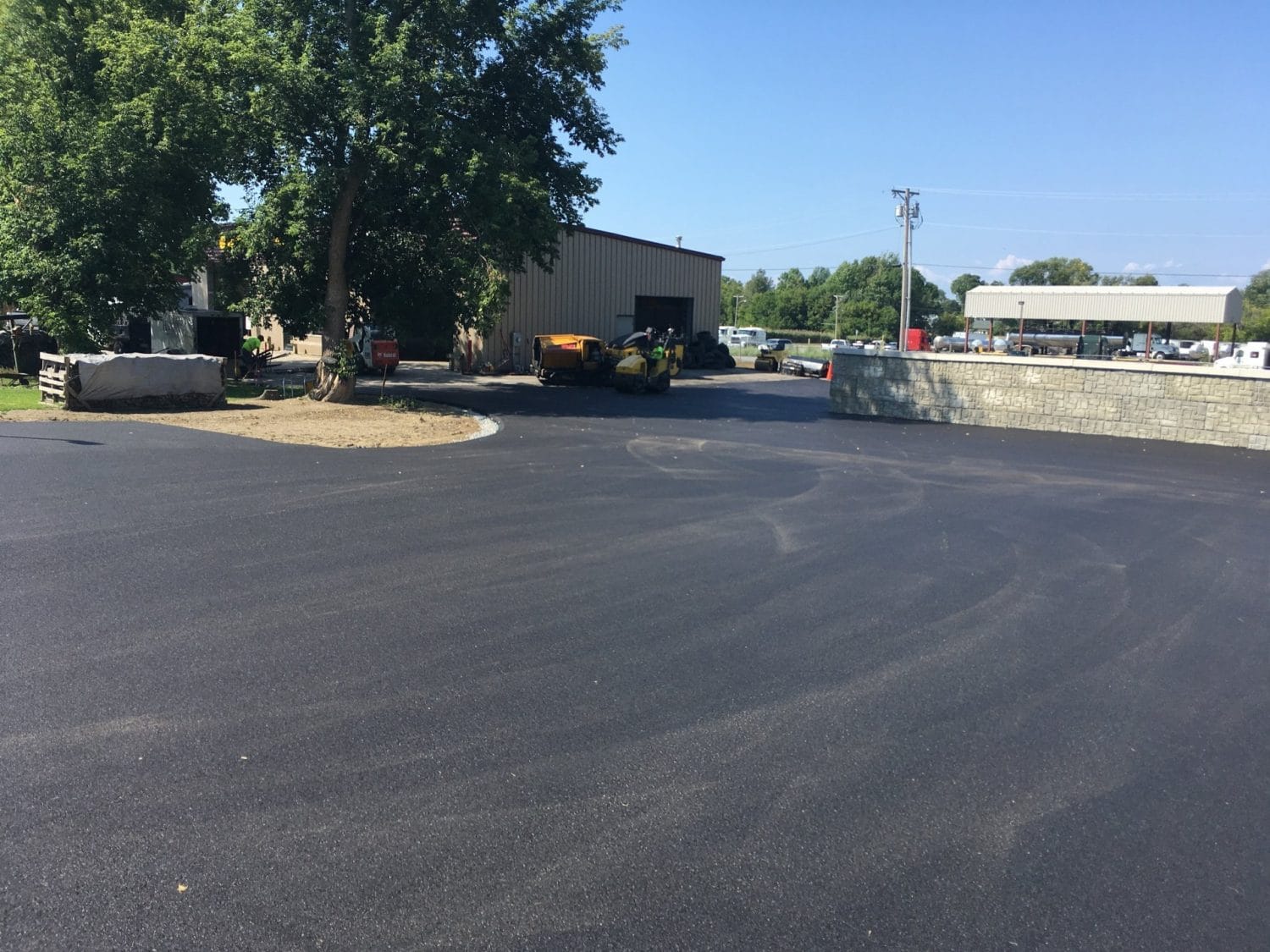
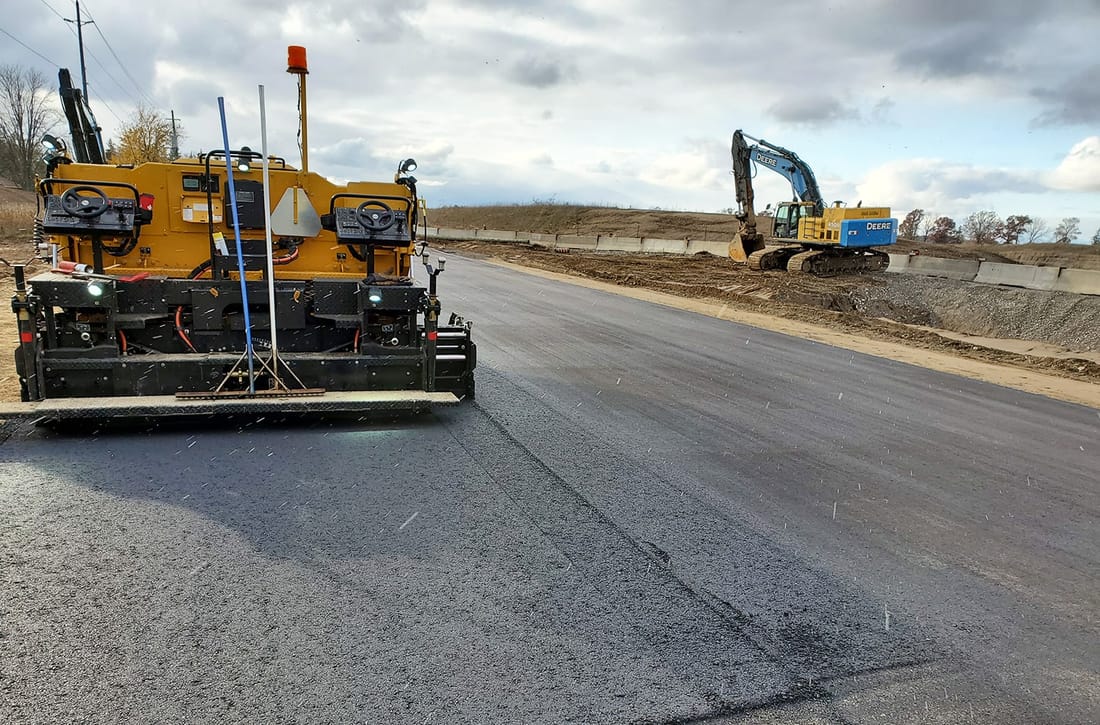
4. Asphalt paving: Hot mix asphalt arrives from the plant and is immediately placed with a paver to achieve the designed thickness and smoothness. Rollers compact the mat while it is still at the right temperature window, with separate breakdown, intermediate, and finish rolling passes to lock the stone together and eliminate voids.
5. Joints and tie ins: At transitions to existing streets or concrete, we sawcut or grind edges to create smooth tie ins. Longitudinal joints between lanes are carefully overlapped and rolled to avoid weak seams that would open up under Arizona sun.
Materials and Mixes That Work in Arizona Heat
Not all asphalt is created equal, and Gilbert roads fail early when the wrong mix is used. Precision Asphalt Gilbert works with local asphalt plants to specify performance based mixes that handle both high pavement temperatures and the occasional cold snaps without brittle cracking.
For residential and local streets, we often use dense graded mixes with a polymer modified binder for higher temperature stability. On bus routes, intersections, and turning areas where vehicles scrub the surface, we may recommend a stiffer mix or a slightly thicker surface lift to resist shoving and rutting.
Base materials are also selected for our desert conditions. In many parts of Gilbert, native soils can be silty or contain expansive clays. We address this with well graded aggregate base and, where needed, lime or cement treatment under the base to reduce swelling. This extra step is far less expensive than repeated structural repairs after a few monsoon cycles.
We also pay close attention to compaction targets. Achieving the right density reduces air voids, which slows oxidation from the intense Arizona sun and helps the road last closer to its full design life instead of becoming brittle and cracked early.
Cost Drivers and How to Control Your Road Paving Budget
Road paving cost in Gilbert is driven by a handful of key factors that owners can plan around. Thickness and size of the project are the biggest variables. A short local street with standard loading can be designed more economically than a collector that must handle heavy trucks or bus traffic.
Existing conditions matter. If we can reuse some of the existing base after milling and proof rolling, costs go down. If we discover widespread soft subgrade, utilities buried too shallow, or unsupported edges, we will discuss options with you early, such as localized soil stabilization instead of full depth replacement everywhere.
Access and phasing can influence cost as well. Tight working windows around schools, or complex detours that require extra traffic control staff, add time and labor. Precision Asphalt Gilbert works with HOAs and municipalities to cluster work and schedule paving during lower traffic periods whenever possible.
Finally, project timing can reduce cost. Booking road paving outside of peak summer demand, and allowing reasonable scheduling flexibility, helps us coordinate plant production and trucking more efficiently, which leads to sharper pricing without cutting quality.
Common Road Problems in Gilbert and Our Repair Strategies
Because of Gilbert weather and soils, we see recurring patterns of road failures. Recognizing these early and using the right repair strategy can save significant money long term.
Alligator cracking and base failures often occur near intersections and on bus routes. In these cases surface overlays alone will not last. Precision Asphalt Gilbert typically recommends full depth reclamation or full depth patching, which replaces failed base and asphalt to the design depth before resurfacing.
Rutting in wheel paths is another regional issue, especially on older roads paved with softer mixes. Where rutting is shallow and the base is sound, we may mill off the rutted layer and install a stiffer surface mix. Where ruts are deeper, we investigate base movement and correct that before paving.
Edge cracking and unraveling often show up on roads without curb and gutter or along shoulders where vehicles repeatedly drop off the pavement. For these, we rebuild the edge, sometimes widen slightly, and install proper shoulder support so the edge is not hanging in the air.
For municipalities and HOAs, we also help set up pavement management plans. We prioritize crack sealing, localized patching, and timely overlays so roads are preserved before major structural work becomes necessary.
Coordinating With Municipal Standards and How to Get Started
Road and street work inside Gilbert or Maricopa County boundaries must meet specific standards for design, traffic control, and inspections. Precision Asphalt Gilbert is familiar with MAG specifications and local requirements, so we design and build roads that can pass review without repeated revisions.
On municipal or public projects, we coordinate with engineering departments for plan approvals, right of way permits, and inspection scheduling. For private roads that will one day be turned over to the city, we design sections that match the city requirements, which prevents rejection at dedication.
If you are an HOA board member, property manager, developer, or municipal staff in Gilbert, the process to get started is straightforward. We can walk the site, review any existing plans or reports, take measurements and cores if needed, then provide a written proposal that explains scope, sections, schedule, and pricing. Our goal is to give you a clear understanding of what will be built, how long it will take, and how it will perform so there are no surprises during or after construction.