Home › Industrial and Heavy-Duty Asphalt Paving
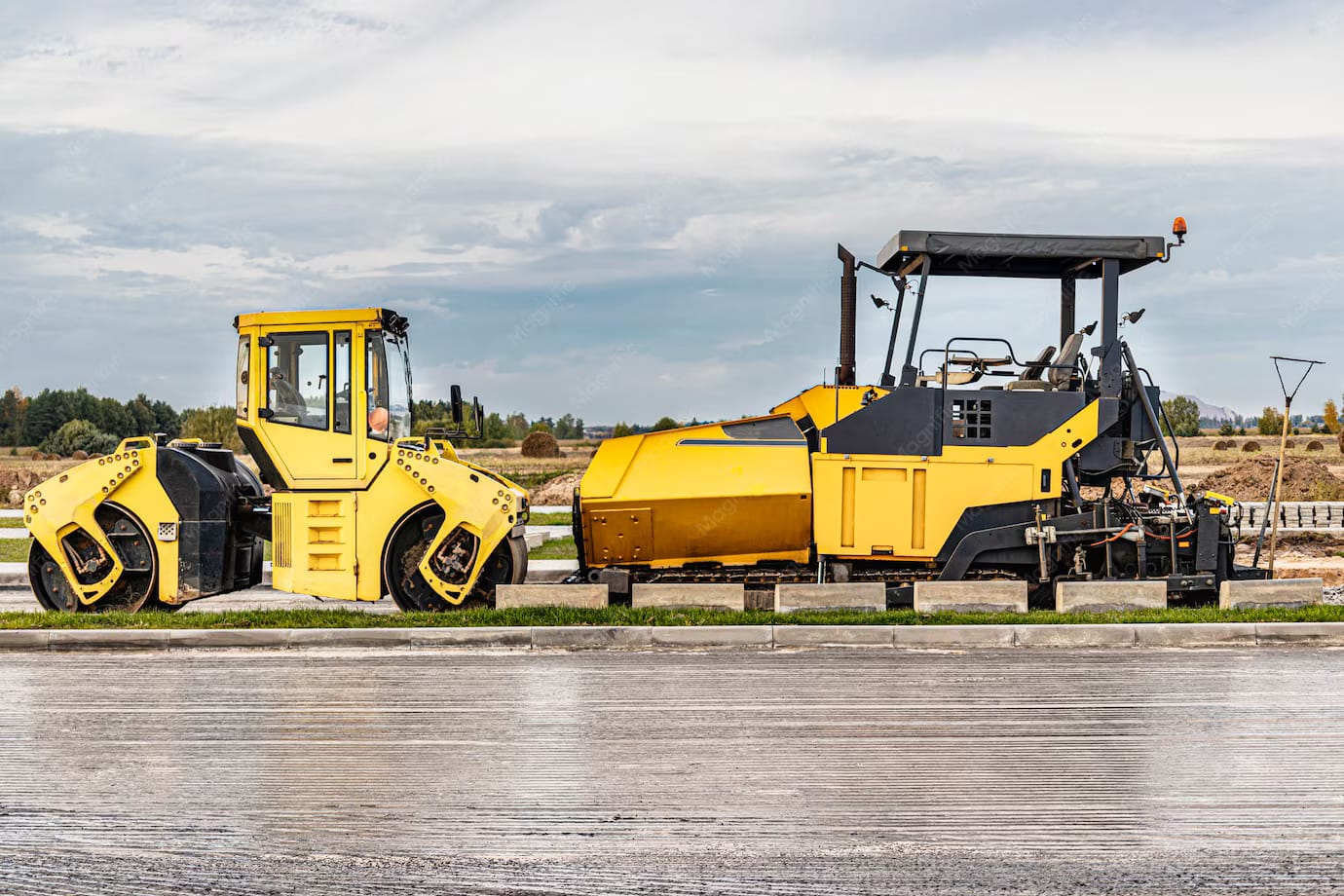
Handle heavy loads and constant traffic with industrial asphalt paving in Gilbert, AZ. We design and install thick, reinforced asphalt sections for truck yards, loading docks, warehouses, and equipment areas. Proper base depth and mix design ensure your pavement stands up to demanding use. Request a site review and custom heavy duty paving quote.
Precision Asphalt Gilbert provides professional industrial asphalt paving throughout Gilbert, AZ, Arizona and the surrounding area. Our licensed, insured crew delivers safe, clean, on-time work with a free estimate before anything begins. Call (602) 641-4473 or request your free quote.
Industrial Asphalt Paving Built for Gilbert’s Tough Conditions
Industrial and heavy-duty asphalt paving is a different world from basic parking lots, and that is where Precision Asphalt Gilbert focuses its craft. Heavy truck traffic, forklift turning, fuel spills, and Arizona heat all work together to tear weak pavement apart. Our job is to design and build pavement structures that can live in that environment for many years, not just look good on day one.
When you call us for an industrial project in Gilbert, we start with how the site is actually used. We ask about vehicle weights, turning areas, storage locations, dock schedules, and any plans for expansion. A distribution center that runs 24/7 with loaded semis needs a very different section design than a light industrial flex space with occasional box truck traffic. We map out high stress zones, like loading docks, dumpster pads, and main truck routes, so we can reinforce those specific areas.
Gilbert’s soil and drainage conditions also matter more than many people realize. A thick asphalt surface over a soft, poorly compacted subgrade will rut and crack quickly, especially under loaded trailers. We take moisture, existing base material, and any underground utilities into account before recommending a pavement structure. Local experience in the East Valley really helps here, because we have seen where soil pockets, caliche, and poor drainage have caused failures and we design to avoid those mistakes.
At Precision Asphalt Gilbert, we see industrial asphalt paving as long term infrastructure for your operation. Done correctly, it supports safety, reduces downtime from repairs, and protects vehicles and equipment from premature wear. Done cheaply or without planning, it becomes a constant maintenance headache. Our goal is to be your partner in building pavement that fits your actual industrial use, your budget, and Gilbert’s climate.
How We Design Heavy-Duty Pavement That Actually Holds Up
For industrial asphalt paving, the design work before a single truck arrives is just as important as the paving itself. We typically begin with a site visit to review existing pavement conditions, drainage paths, and traffic flow. If you have original plans, we review them, but we do not rely on them blindly. We often take core samples or test pits to see how thick and sound your current asphalt and base layers really are.
Next, we calculate pavement thickness based on your heaviest expected loads and how often they occur. For example, a truck yard with daily loaded tractor trailers might use a section such as 4 to 6 inches of hot mix asphalt over 6 to 10 inches of compacted aggregate base, supported by a properly compacted subgrade. High stress areas like dumpster pads or fuel islands may get extra thickness or even a concrete inset so that the heavy point loads do not deform the asphalt.
Mix selection is also part of the design. For industrial work we usually recommend a dense graded, high stability mix that stands up better to slow turning, braking, and static loading. In some Gilbert facilities where there is frequent oil or fuel exposure, we may suggest polymer modified binders or surface treatments that resist softening and raveling. We also plan joint locations, transitions to existing slabs, and reinforcement where asphalt meets concrete so you do not end up with chronic cracks at those interfaces.
Drainage is another design detail that has an outsized impact in our climate. Monsoon storms can drop a lot of water quickly, and poor drainage leads to base saturation and early failures. We design slopes that move water away from docks and building entrances, place inlets where water naturally wants to flow, and coordinate with your civil engineer if the site ties into a larger storm system. Even a quarter inch per foot of correct slope can keep water from standing and seeping into the base course.
Our Step-by-Step Industrial Paving Process on Gilbert Job Sites
Once the design is finalized, Precision Asphalt Gilbert follows a consistent, field-tested process to build or rehabilitate industrial pavement with minimal disruption to your operations. We start with layout and traffic control planning so your team and our crews can work safely. For active facilities, we often phase work so that a portion of your yard or lot remains open while we work on another section.
Demolition and subgrade preparation come next. We saw cut and remove failed asphalt, haul it to be recycled, and proof roll the exposed subgrade with heavy rollers or loaded trucks. Any soft areas that deflect under load are undercut and replaced with suitable material. In Gilbert, that can mean bringing in aggregate base to replace clay pockets or over saturated soil from previous drainage issues.
We then place and compact the aggregate base in layers, or lifts, usually 3 to 4 inches at a time. Each lift is compacted to a specified density using vibratory rollers, and we check it with density tests or plate load testing if structural performance needs to be verified. Proper compaction is what prevents rutting and settlement under trailers and equipment.
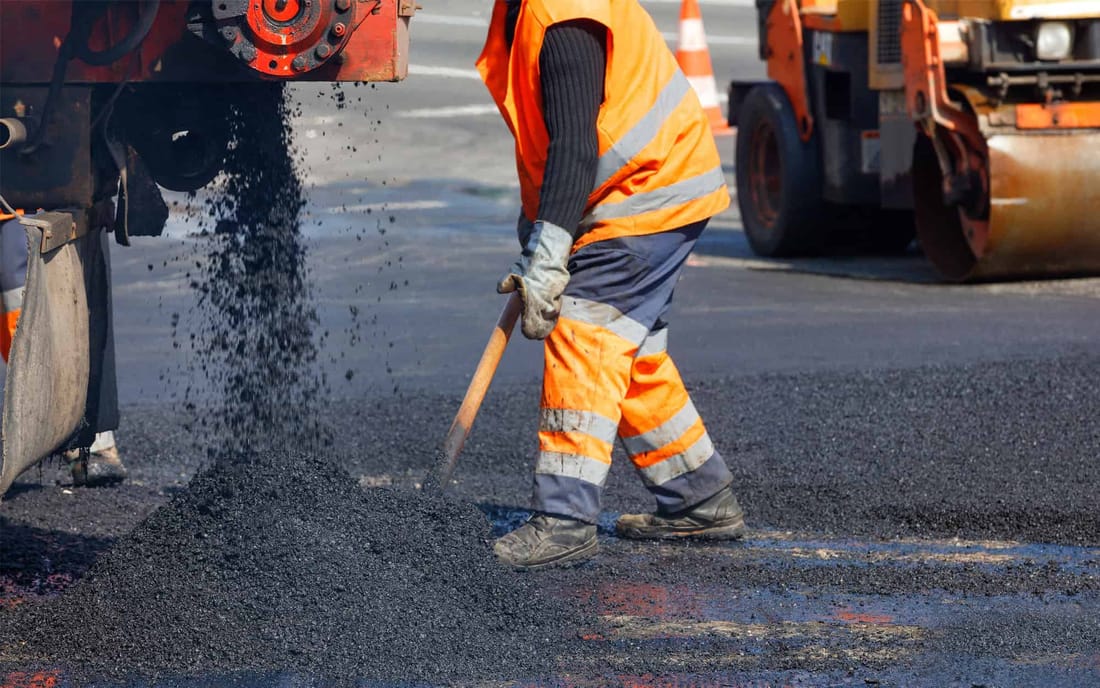
Paving itself is done with industrial grade pavers and rollers. We coordinate asphalt delivery from local plants so the mix is laid at the right temperature and in continuous passes. Joints between passes are staggered so you do not get a straight line of weakness, and we pay extra attention to the tie in areas at dock aprons, trench patches, and existing driveways. Rolling patterns are carefully managed to achieve the correct density without over rolling and crushing aggregate.
Finishing details include saw cutting clean joints where asphalt meets concrete, sealing exposed edges, and restoring striping, truck routes, and safety markings. For many industrial facilities in Gilbert, we also stripe trailer stalls, designate pedestrian walkways to OSHA friendly standards, and mark fire lanes to local code. Before we leave, we walk the site with you to confirm drainage, transitions, and access all work as intended.
Cost Drivers and Common Problems in Heavy-Duty Asphalt Paving
Industrial asphalt paving is an investment, and Precision Asphalt Gilbert is transparent about what drives the cost so you can plan properly. The first major factor is pavement thickness and base requirements. Heavy truck routes, container storage, and equipment loading zones require more structure than employee parking, which increases material and labor costs. Cutting corners on thickness almost always costs more later in structural failures and frequent patching.
Site conditions are another big driver. If your existing pavement has deep alligator cracking, potholes, or pumping under load, it often indicates base or subgrade failure. Correcting that may require full depth removal, regrading, and new base. While that is more expensive up front, it prevents repeating the same failures within a few years. Unseen issues such as poor drainage, shallow utilities, or undocumented patches can also add complexity.
Access and phasing affect both schedule and cost. If work must be done during off hours, weekends, or in tight working windows to keep your operation running, we build that into the plan. For example, some Gilbert distribution centers prefer night work so their dock operations are clear by morning. We can accommodate that, but it involves additional crew coordination and sometimes lighting or noise considerations.
Common problems we see in industrial pavements around Gilbert include rutting in truck lanes, shoving at intersections where trucks turn slowly, and cracking at the interface between asphalt and concrete dock slabs. To address these, we may use thicker base in lanes, stiffer asphalt mixes in turning zones, or dowel and key systems at transitions. Fuel and oil spills are another recurring issue. In high exposure areas, we can recommend sealers or surface treatments, as well as maintenance practices for spill cleanup, to extend the life of your asphalt.
Knowing these cost and risk factors ahead of time helps you budget realistically and specify what you want from any contractor you consider. We are glad to walk your site in person, point out potential problem areas, and give you options instead of a one size fits all price.
Planning Your Project and Why Local Expertise Matters
Before you commit to any industrial asphalt paving project, it is worth taking a little time to plan around your operations, future growth, and the realities of the Gilbert environment. Precision Asphalt Gilbert encourages customers to think not only about current truck counts, but where the business will be in five to ten years. If you expect more containers, trailers, or heavier equipment, we can design for that now so you are not tearing out pavement prematurely.
We also recommend coordinating asphalt work with other site improvements. If you are upgrading utilities, adding dock positions, or revising storm drainage, combining those projects can save money and avoid cutting into new pavement later. We often work alongside general contractors, civil engineers, and facility managers to sequence work logically so that new asphalt is protected from heavy construction traffic whenever possible.
Local expertise matters in Gilbert for several reasons. The desert heat, large daily temperature swings, and monsoon rains all influence how asphalt behaves. We know which mix designs from local plants have performed well under industrial loading, how fast material cools during summer paving, and how to schedule compaction so density is achieved before the mat loses workability. We are familiar with local inspection requirements, dust control rules, and city expectations, which helps keep your project moving.
If you are starting to plan a new industrial facility, an expansion, or a major yard rehabilitation, inviting us in early to discuss pavement options often results in a better design and fewer surprises. Precision Asphalt Gilbert can provide practical recommendations on grades, section designs, and staging that reflect real world construction in Gilbert, not just drawings on paper. Our goal is to deliver an industrial asphalt paving solution that supports your operation reliably, with clear communication from the first walk through to the final roller pass.